How to Choose Between Burial and Cremation: A Beginner's Guide
Choosing between burial and cremation is one of the first decisions a family faces after a death, and often the one that causes the most quiet disagreement around the kitchen table. There is no correct answer. Two families with similar budgets and similar beliefs can choose differently and both be right. What matters is that the choice fits the person who died, the people who will grieve, and the practical limits you are working with. Here is how to think it through.
Start With the Person, Not the Price List
Before anyone opens a brochure, spend ten minutes recalling what the person actually said about this. Many people mention it once, years ago, in passing: "Just cremate me, it's cheaper" or "I want to be next to your father." That sentence carries more weight than any general preference. If nothing was ever said, ask what would have felt respectful to them, and be honest that you are guessing.
Then run through the questions that tend to surface the real answer:
- Did they ever state a wish, in writing or out loud?
- Is there a family plot, or a cemetery your family already visits?
- Does someone need a specific place to go on birthdays and anniversaries, or would a keepsake or a garden be enough?
- Who will be making the arrangements, and are they comfortable with either option?
- Does your faith or family culture carry an expectation?
- What is the realistic budget, and who is contributing?
Write the answers down. When relatives disagree later, having them on paper keeps the conversation about the person rather than about each other.
Cost: Compare the Whole Picture, Not the Headline
Cremation usually costs less up front, but "usually" is doing a lot of work in that sentence. Once you add a viewing, a rental casket, an urn, a memorial service, and a niche in a columbarium, the gap narrows. A direct cremation with no service is the least expensive path in most markets, but it is also the one that leaves some families wishing they had gathered.
What burial typically involves
A plot or grave space, the opening and closing of the grave, often a vault or grave liner if the cemetery requires one, a casket, a headstone or marker, and sometimes an annual or perpetual care fee. Ask specifically whether the quoted plot price includes the opening and closing — it often does not.
What cremation typically involves
The cremation itself, a container, transportation, permits and authorization paperwork, and then whatever you choose afterward: an urn, a niche, a burial of ashes in an existing plot, or a scattering. A service can happen before or after, with the body present or not.
Ask for an itemized price list — many jurisdictions require funeral homes and cemeteries to provide one — and request written quotes for two or three scenarios rather than one number. Prices vary enormously by region, so comparisons from friends in another state are of limited use. If a prepaid plan is on the table, read what it covers and whether it can be transferred or refunded. For anything involving significant money, an estate, or a contract, have someone with legal or financial expertise look it over.
Timing, Logistics, and Distance
Burial sets a schedule. You need cemetery availability, a crew to open the grave, ground that cooperates, and often a clergy member or officiant who can attend. In cold climates, winter burials can be delayed or require special equipment. If the person died far from home, the body has to be transported, which adds cost and paperwork.
Cremation buys time. A memorial can be held next week, next month, or in the spring when relatives can travel, and ashes can usually be carried on a plane, though airlines have their own rules — check before booking. One caution: cremation still requires signed authorization and, in many places, a permit and a short waiting period before it can proceed.
If a viewing or a service with the body present matters to your family, that happens before cremation, not after. Plan the sequence early so you are not deciding it in a hallway under pressure.
Religious and Cultural Considerations
Faith is where general advice runs out fastest. Observance varies enormously within the same religion, and the specific congregation and the person's own practice matter more than the label. Still, broad patterns are worth knowing so you can ask the right questions.
Orthodox Jewish and Islamic traditions generally expect burial, often promptly and without cremation. Many Protestant, Buddhist, and Hindu communities accept or prefer cremation, and Hindu and Buddhist funerals frequently center on it. The Catholic Church permits cremation but asks that ashes be buried or entombed rather than scattered or divided. There are also traditions about embalming, who may handle the body, and how soon the service should occur.
Call your faith leader and ask directly. If your family spans more than one tradition, decide in advance who holds decision-making authority on the paperwork — usually the next of kin — and let everyone else offer opinions without holding a veto.
What the Memorial Can Look Like
Neither choice limits you to one kind of service. Burial can be a graveside committal only, or a full service followed by a procession to the cemetery, with military honors, a reception, and a headstone designed months later when you can think clearly. Cremation offers a service with the urn present, a gathering weeks afterward, ashes interred in a family plot with a marker, a niche in a columbarium, a portion kept in a keepsake, or scattering in a place that mattered.
Two practical notes on scattering: public land is regulated, private land needs the owner's permission, and some cemeteries maintain scattering gardens for exactly this purpose. And if the plan involves a grave anyone will visit, think about how far it is from the people most likely to go there.
How to Decide Without Second-Guessing
- Write down anything the person said about their wishes, and note where you heard it.
- Name your two or three must-haves — a place to visit, a service with the body present, a lower total cost.
- Get itemized, written quotes for both paths, using the same service elements.
- Check your faith or cultural expectations with someone who knows your community.
- Ask the person who will do the visiting and the grieving what they need.
- Choose, then tell the funeral director and the family in plain language.
One last reassurance: this is not always permanent. Ashes can be buried later in an existing family plot. A memorial service can be held long after a direct cremation. If money is tight, ask your funeral director about assistance that may apply, including veterans' benefits and county programs. Decide what you can decide today, and leave the rest for when you have more room to breathe.
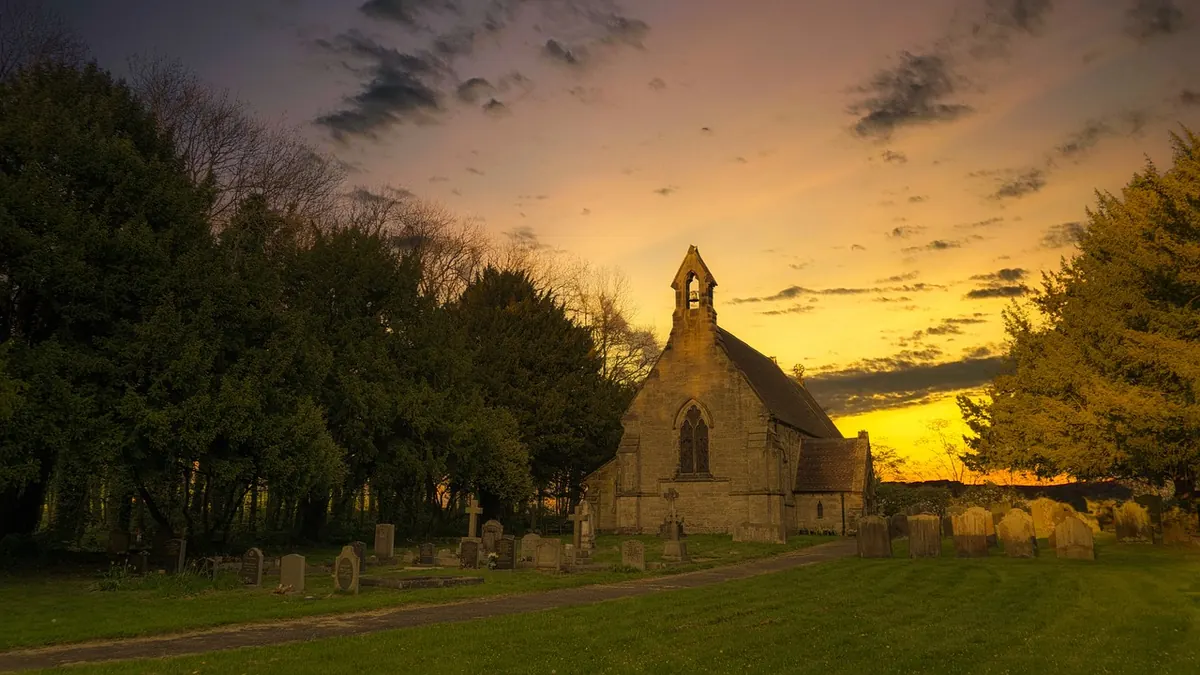
Photo: jplenio / Pixabay