What Is a Green Burial? Eco-Friendly Options, Costs, and Cemetery Rules
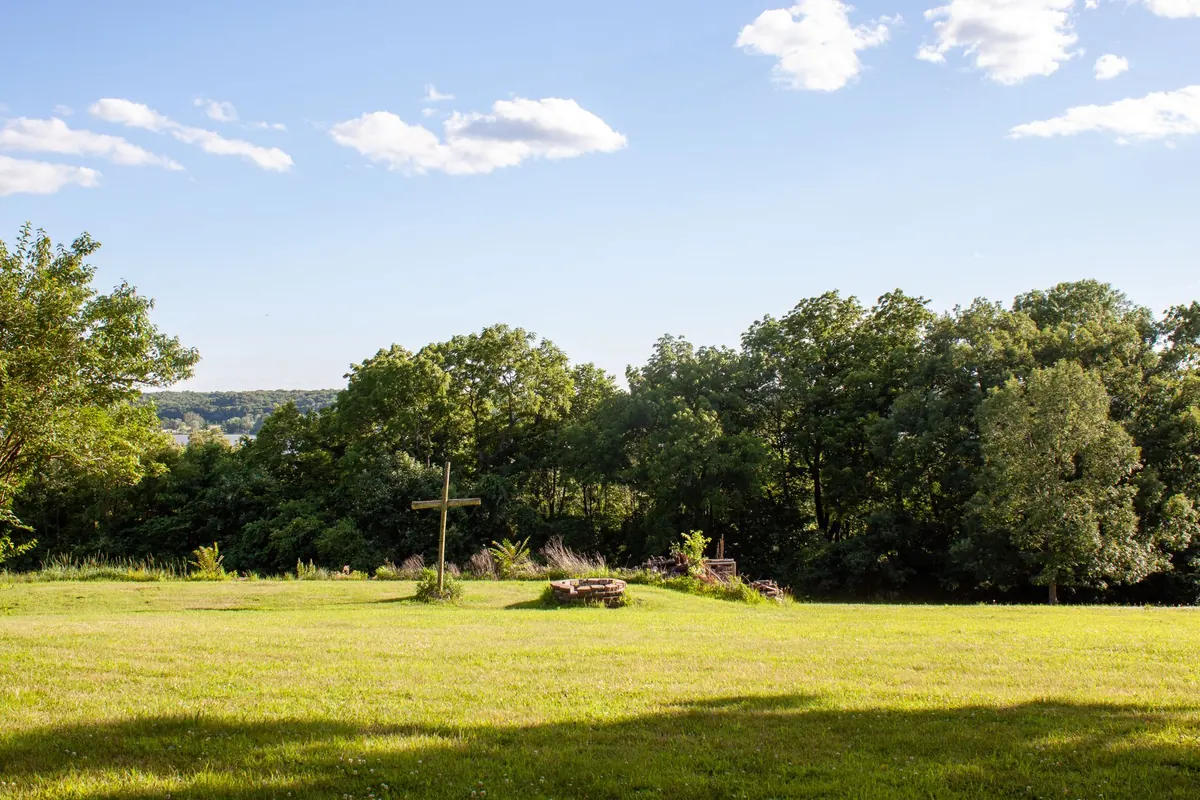
A green burial returns a body to the earth with as little between the two as possible. No concrete vault, no lacquered metal casket, no embalming fluid. The grave is dug, the body is wrapped or cradled in something that will break down, and the ground above is planted with native grasses or left to grow back into woods. It is one of the oldest ways to bury someone and, in many places, one of the newest options you can actually buy. What follows is how the choice works in practice, what it costs, and which rules tend to apply.
What Counts as a Green Burial
Green burial, also called natural burial, means the body is placed in the ground in a way that lets it decompose and rejoin the soil. Nothing goes in that will not break down: no concrete grave liner, no embalming chemicals, no metal hinges or varnished hardwood.
The second half of the definition is the land itself. A genuine green cemetery is managed as a natural landscape for the long term — meadow, prairie, or woodland, maintained without herbicides, fertilizers, or weekly mowing. Some are called conservation burial grounds because the burial fees help pay for protecting the surrounding acreage, often through a land trust or a conservation easement that keeps the property undeveloped.
If only one half is present — a pine box in a cemetery that still requires a vault and sprays its lawns — that is a step in a greener direction, but it is not the same thing.
Caskets, Shrouds, and What Goes in the Ground
Most natural burial grounds are more flexible than you might expect. The test is simple: will it break down, and will it leave anything behind that the soil cannot absorb?
- Plain wood caskets. Untreated pine, poplar, or willow, assembled with wooden pegs, dowels, or simple joinery. Skip the varnish.
- Woven caskets. Wicker, bamboo, seagrass, and rattan are light, sturdy enough for carrying, and fully biodegradable.
- Shrouds. Cotton, linen, wool, or hemp cloth, sometimes wrapped over a rigid board or a simple stretcher so the body can be carried. Many families find this the simplest and least expensive choice.
- Cardboard and fiberboard. Inexpensive and completely compostable. They look plainer than wood, which matters to some families and not at all to others.
- Home-built caskets. Many grounds allow a coffin built by family or friends. Ask for any size or handling limits before you start building.
Leave out metal fittings, plastic liners, foam padding, and shoes with synthetic soles. Natural fiber clothing is fine. If a viewing matters to your family, ask the funeral home what they can offer without embalming — refrigeration, dry ice, or a short home vigil are common alternatives, and embalming is rarely a legal requirement, though rules vary.
The Three Kinds of Natural Cemetery
Hybrid cemeteries are conventional cemeteries that set aside a section for natural burial. You get the same location and office you already know, with looser rules in one corner of the property. This is often the easiest place to start.
Dedicated natural burial grounds do only green burial. The whole property is chemical-free, and markers are usually flat, small, or nonexistent.
Conservation burial grounds go further and tie each burial to permanent land protection. Because the plot fee usually funds habitat restoration or an endowment for future care, these can cost more than a conventional plot in the same region.
Burial on private land is possible in some places, but it depends on state and county rules, setbacks from wells and waterways, deed restrictions, and local zoning. Confirm with your county health department and a local attorney before you count on it.
Rules You Should Expect at a Green Cemetery
Every operator writes its own regulations, but the same requirements show up again and again:
- No vault or outer burial container of any kind.
- No embalming, or only approved non-toxic preparations in limited cases.
- Biodegradable caskets, shrouds, or burial boards only.
- Graves dug shallower than the traditional six feet, so the body sits in active soil. This is normal and intentional.
- Flat markers, locally quarried stone, wooden markers that decay, or GPS coordinates recorded in the cemetery's map instead of a headstone.
- No pesticides or herbicides, and restrictions on imported flowers, plastic wraps, and ribbon.
- Graves are backfilled and mounded, then settle over the following months. That visible dip is expected.
- Advance arrangements are often required so the cemetery knows your wishes before the funeral home is involved.
Ask for the written regulations and read them before you pay a deposit. They are usually short and clear, and they will tell you whether a funeral director is required or the family may lead the service.
What Green Burial Costs
Natural burial is not automatically cheaper, but the savings usually come from what you leave out: no vault, no embalming, and a simpler container. A shroud or cardboard casket can cost far less than a conventional one, and many families buy a casket from an outside maker rather than the funeral home.
Where it gets more expensive is the plot, especially at conservation burial grounds, because your fee funds land that will never be developed. Costs vary widely by region, so compare line by line rather than comparing totals. Ask what the plot fee includes and what is billed separately:
- The plot itself, and whether an opening and closing fee is separate
- Transportation to the cemetery, and any mileage charges
- An endowment or stewardship fee for long-term land care
- Grave digging, mounding, and reseeding
In the United States, funeral homes must give you an itemized price list on request and may not refuse a casket you bought elsewhere or charge a handling fee for it. Ask for the general price list before you discuss anything else. Because estate and prepayment rules differ from state to state, have a lawyer review any contract or prepaid plan.
Questions to Ask Before You Choose
- Is this land legally protected from development, and by what document?
- Who maintains it in fifty years, and is there a funded endowment for that work?
- What happens to the property if the operator closes or sells?
- Exactly what containers and markers are allowed?
- Can families do more of the work themselves, and is a home funeral permitted?
- Is there a waiting list, and how much notice do you need before a burial?
- Can visitors walk the grounds, and are there paths?
Planning Green Burial Without the Guesswork
Start by deciding what actually matters to you: a specific landscape, a low cost, or simply avoiding embalming and vaults. That answer points you to the right kind of cemetery. Then visit on a weekday, walk the grounds, and watch how the place is kept. Ask the office for the regulations in writing and for a sample itemized price list. If you are arranging a natural burial for someone who has died, tell the funeral home your intentions in the first phone call; it changes which services they offer and what they quote. Finally, write your wishes down and give copies to the people who will make the decisions. A green burial is easier to arrange when everyone already knows the plan.
Photo: Liz Christensen / Pexels